
- rest, ice, compression, elevation (RICE): effective for acute injuries and flare-ups, rice helps manage initial swelling and pain.
- weight management: losing even a small percentage of body weight can dramatically reduce the mechanical stress on the knee joint, often slowing the progression of arthritis.
- low-impact exercise: activities like swimming, cycling, and walking are crucial for strengthening the muscles surrounding the knee (quadriceps and hamstrings) and maintaining joint flexibility without undue impact.
Exploring knee pain treatment options
Knee pain, whether caused by acute injury or chronic conditions like osteoarthritis, can significantly diminish your quality of life. Fortunately, treatment has advanced considerably, offering a wide spectrum of options designed to manage pain, restore mobility, and get you back on your feet.
The approach to knee pain is typically a step-wise progression, beginning with conservative, non-invasive methods and escalating to surgical intervention only when other options have been exhausted.
Phase 1: conservative and non-invasive treatments
Initial treatment for most forms of knee pain focuses on reducing inflammation, strengthening supportive structures, and protecting the joint.
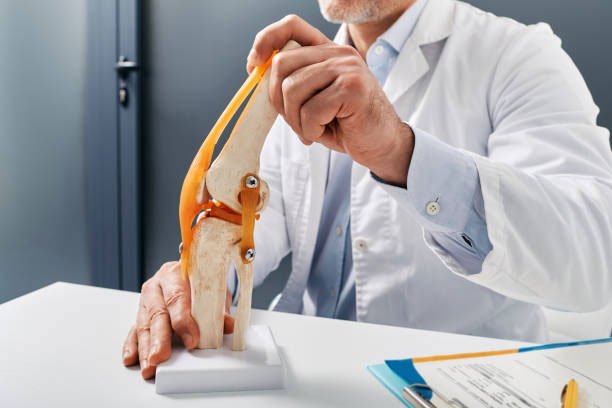
Lifestyle modifications and home care
These are the foundational treatments and are essential for long-term joint health:
Medications
Pharmaceuticals are used to control pain and inflammation:
- over-the-counter (OTC) pain relievers: nonsteroidal anti-inflammatory drugs (NSAIDs) like ibuprofen, aceclofenac, and naproxen can help reduce inflammation.
- topical treatments: creams, gels, and patches containing ingredients like menthol, lidocaine, or topical NSAIDs can provide localized pain relief with potentially fewer systemic side effects than oral medication.
- prescription drugs: for chronic, severe inflammatory conditions like rheumatoid arthritis, doctors may prescribe specific disease-modifying antirheumatic drugs (DMARDs) or stronger pain management medications.
Physical therapy and assistive devices
Physical therapy is one of the most effective non-surgical treatments, designed to improve function and stability.
- targeted exercises: a physical therapist designs a program to build muscle strength and endurance, improve range of motion, and correct imbalances that contribute to pain.
- bracing and supports: knee caps offer compression and some pain relief. Assistive devices like canes or walkers can also reduce the load on the painful joint.
Phase 2: interventional and minimally invasive procedures
When conservative treatments fail to provide adequate relief, physicians may recommend injections or other procedures for targeted, temporary relief.
Injections
Directly delivering medication into the joint can quickly reduce symptoms.
- Corticosteroid injections (steroid shots): A powerful anti-inflammatory drug is injected directly into the joint space. This can provide significant pain relief lasting weeks to months, allowing patients to participate more effectively in physical therapy.
- Hyaluronic acid (HA) injections (viscosupplementation): hyaluronic acid is a thick substance found naturally in joint fluid, acting as a lubricant and shock absorber. Injecting synthetic HA can restore joint lubrication, commonly referred to as "gel shots.
- Platelet-rich plasma (PRP) therapy: this involves drawing a small amount of the patient's blood, concentrating the platelets (which contain growth factors), and injecting the plasma into the joint to potentially promote healing and reduce inflammation.
Advanced, minimally invasive procedures
Newer, less common options are emerging for patients seeking alternatives to surgery:
- radiofrequency ablation (RFA): a procedure that uses heat energy to temporarily disable the sensory nerves around the knee that transmit pain signals to the brain.
- genicular artery embolization (GAE): a procedure that blocks blood flow to the inflamed blood vessels contributing to chronic knee pain in osteoarthritis.
Phase 3: surgical options
Surgery is typically reserved for severe cases where joint damage is extensive, function is severely limited, and non-surgical treatments have failed.
Osteotomy
A procedure usually reserved for younger, active patients with damage limited to one side of the knee.
- The procedure: the surgeon cuts and reshapes the shinbone (tibia) or thighbone (femur) to shift the weight-bearing axis away from the damaged area onto the healthier part of the joint. The goal is to realign the knee, relieve pain, and delay the need for a total knee replacement.
Joint replacement surgery (arthroplasty)
This is the ultimate intervention for end-stage arthritis.
- partial knee replacement (unicompartmental arthroplasty): if the damage (usually from osteoarthritis) is confined to only one compartment of the knee, the surgeon replaces just the damaged section with metal and plastic components, preserving the remaining healthy bone and ligaments. Recovery is typically faster than a total replacement.
- total knee replacement (TKR): the most common procedure, tkr involves removing all the damaged cartilage and bone from the ends of the thighbone (femur), shinbone (tibia), and often the kneecap (patella), replacing them with an artificial joint made of metal alloys and high-grade plastic spacers. This procedure is highly successful at eliminating pain and restoring function in patients with severe arthritis.
The journey of treating knee pain is highly individualized. It begins with self-care and physical conditioning, moves through targeted injections, and, if necessary, concludes with surgical reconstruction. It is essential to work closely with an orthopaedic specialist to determine the cause of your pain and map out a treatment plan that addresses your specific needs, activity level, and long-term goals.